Fast first aid and CPR training can feel complicated at first glance. Suppliers use expressions like "express first aid course", "fast CPR refresher course" or "childcare first aid degree C", commonly without plainly explaining what every one really covers.
If you only consider the timetable and price, you take the chance of walking out with the wrong first aid certificate for your work, your industry, or the real emergency situations you are most likely to encounter. I have seen people complete a short CPR course assuming they were workplace certified, just to find they still needed a full first aid course before they could start a brand-new role.
This guide untangles the main dish degrees, describes what "fast" or "express" truly suggests, and helps you select a first aid and CPR course that suits your goals and schedule, without reducing corners on safety.
Why rate issues, yet content issues more
Fast first aid courses and express CPR training exist for an excellent reason. People are busy, accreditations run out, and companies typically offer brief notification before a beginning day or an audit. I routinely see:
Managers contacting a Thursday afternoon, requiring three team with first aid and CPR training classes before Monday.
Moms and dads reserving an express childcare first aid course due to the fact that their childcare placement starts next week. Health experts pressing a fast CPR refresher course right into a lunch break.In those circumstances, a fast first aid course or fast cpr alternative can be a lifesaver for your schedule. The trick is ensuring the shorter timetable does not strip out critical skills.
A great express first aid training supplier shortens downtime, not the discovering. They reorganize, mix online and classroom job, and simplify evaluation. They do not miss crucial first aid abilities like hemorrhaging control, use of an AED, or managing a subconscious casualty.
When you compare fast first aid courses, look past the word "fast" and ask: what level is it, and what does that level actually mean?
How first aid and CPR course levels are usually structured
Different nations and companies use a little different tags, but the framework often tends to follow the same reasoning. There is a ladder of complexity:
Basic life support and CPR at the bottom, then wide workplace first aid, complied with by advanced or specialized training such as childcare or remote area very first aid.
At a high level:
CPR only
General first aid (often called "Give First Aid", "Criterion First Aid", or comparable) Advanced or occupational initial aid Specialized streams, such as childcare first aid or sporting activities initial aidFast first aid training can occur at any one of these levels. A two hour express cpr course, an eventually fast first aid course, or a compressed innovative program spread out throughout a couple of nights are all possible. What issues is the material that sits below the label.
CPR courses versus complete first aid training
One of one of the most typical factors of confusion is the difference between CPR courses and a complete first aid and cpr course.
CPR training concentrates on heart attack, unresponsiveness, and use of an AED. You discover exactly how to:
Recognize heart attack, phone call for help, and start upper body compressions
Give rescue breaths if required for your guideline or workplace Use an automated external defibrillator confidently Take care of a subconscious breathing individual in the recovery positionA fast cpr course can legally be brief, often around 1 to 2 hours in the classroom, specifically when incorporated with pre‑course online concept. This functions well because high‑quality CPR training is purposely repetitive and hands‑on. You invest most of the time on manikins exercising compressions and cycles of breaths.
In contrast, a full first aid course or combined first aid and cpr courses expand much beyond cardiac arrest. An extensive first aid and cpr training course must cover topics such as:
Severe bleeding, shock, and injury care
Usual medical emergencies like bronchial asthma, anaphylaxis, seizures, and diabetic person emergencies Fractures, strains, and soft tissue injuries Environmental issues like heat fatigue or hypothermia, relying on your region Fundamental first aid for eye injuries, burns, and small woundsIf a course is marketed as a fast first aid course but is only 2 hours long, it is almost certainly CPR just or an extremely narrow capability. For most offices and professional functions, you will require a full first aid certificate that consists of CPR, not just stand‑alone CPR courses.
Quick referral: usual course names and what they usually mean
This is among both lists.
- CPR training, fast cpr, or express cpr course: Focused on cardiac arrest, compressions, rescue breaths, and AED usage. Frequently 1 to 3 hours, occasionally mixed with on-line theory. First help and CPR course, conventional first aid, or general first aid training: Wider emergencies, consisting of CPR. Usually a complete day personally, or much shorter with pre‑course e‑learning. Express first aid or fast first aid courses: Same content as the standard level, but supplied with online pre‑study or compressed schedules. Express child care first aid course: Concentrated on babies and kids, allergic reactions, asthma, and child care atmospheres. Typically needed in education and learning and very early youth roles. Advanced or occupational first aid (occasionally called fap first aid or comparable local labels): Deeper evaluation skills, oxygen, multiple casualty management. Longer overall, also if some components are fast‑tracked.
Different providers make use of a little various names, so constantly review the course synopsis, not just the title.
What "fast" and "express" really mean in practice
From the teacher side of the space, a fast first aid course does not mean less content. It usually implies:
More job prior to you show up. You full theory online, enjoy videos, or resolve interactive components at your very own pace. In‑person time is scheduled for inquiries, situations, and assessments.
Faster changes and tighter breaks. There is less downtime in between tasks and presentations. You may run situations back‑to‑back. Assumed literacy and computer comfort. If you are not comfortable with e‑learning, a fast first aid training layout may feel hurried or stressful. Minimal room for off‑topic conversation. In a conventional course there is most of the time for lengthy anecdotal tales. In a pressed schedule we concentrate on core abilities and the concerns that matter for competence.
This design functions quite possibly for individuals who:
Are restoring a first aid certificate and currently have real‑world experience
Usage first aid and CPR skills at the office and want an effective refresher Learn successfully from on the internet modules and are self‑disciplined sufficient to complete pre‑course job properlyIt is much less ideal for people who are:
Completely new to initial aid
Anxious regarding emergency situation situations 
When a learner that has never done first aid turns up for an express first aid course without ending up the e‑learning, they usually battle. I have had to reschedule greater than one participant who might not demonstrate the needed knowledge during analysis since they assumed the "fast" option would certainly be easier, not simply shorter.
Understanding express first aid and childcare‑specific courses
Specialized programs like express child care first aid training combine general first aid with pediatric‑specific expertise. A strong express childcare first aid course need to include:
Recognition of significant disease in babies and youngsters, such as blood poisoning red flags
Paediatric CPR variations, consisting of compression depth and ratios Choking management for babies and toddlers Bronchial asthma and anaphylaxis management customized to very early knowing settings Practical situations that match real childcare circumstances, such as play area injuries or allergies throughout mealsMany regulators call for childcare employees and early youth instructors to hold a particular degree of first aid and cpr certificate that is specific to kids. An express childcare first aid course can fulfill those demands, provided it is aligned with your neighborhood standards.
Express child care first aid courses can be intense. You cover a lot of web content in a condensed window, usually with added focus on communication with parents and emergency situation services. If you are brand-new to working with children, you might like a standard‑length course initially, after that switch to express childcare first aid refresher training for renewals.
Blended understanding and fast certification
Fast certification is generally implemented via blended understanding. That means component of the first aid training occurs online, and part occurs in person.
From a high quality viewpoint, blended first aid and CPR courses can work very well when:
The online modules are interactive, not just a long PDF.
You can stop briefly and resume, so you can spread out the understanding across a few evenings. The in‑person session is plainly concentrated on hands‑on technique and analysis of critical skills. You still have enough time face‑to‑face to ask concerns and repeat skills until they feel natural.Fast first aid courses delivered totally online are a various story. Simply on the internet first aid training may offer you a certificate, but it does not allow an instructor fix your hand placement during compressions or examine that you can roll a subconscious individual securely into the recovery setting. Many markets and regulators do not accept fully on the internet first aid training for exactly this reason.
If you see an express first aid course that declares you can finish whatever online without any sensible element, be cautious. Ask your employer or licensing body whether that sort of first aid certificate serves. Oftentimes it is not.
Finding a fast first aid course near you that still fulfills standards
Searching for a "fast first aid course near me" will give you plenty of options, but not all short courses are equal. When you contrast carriers, look at numerous information instead of simply picking the first ad.
First, determine the level you in fact require. Is your company asking for a basic first aid certificate, a mixed first aid and CPR course, or something industry particular like express childcare first aid? Matching the degree correctly matters greater than shaving thirty minutes off the timetable.
Second, inspect the service provider's acknowledgment in your area. Are they certified or formally recognized by the appropriate health and wellness or training authority? Do significant employers, schools, or neighborhood organizations in your location utilize their first aid and cpr courses?
Third, checked out the time breakdown. A legitimate fast cpr correspondence course may detail 2 hours on-line plus 1 hour face to face. A complete fast first aid training day might reveal 4 to 5 hours in the classroom, plus pre‑course e‑learning. If a provider markets "full first aid and CPR course in 60 mins with no technique", that is a red flag.
Finally, check out renewal and support. Some companies send pointers when your first aid certificate will run out, or deal discounted fast cpr courses for returning trainees. first aid Gold Coast That can make renewals far much less stressful.
What to expect in a fast first aid and CPR class
The rhythm of an express first aid course really feels somewhat various from a traditional one, although the core activities are similar.
You generally show up having already finished theory elements online. The instructor will briefly evaluate key ideas, clear up any kind of complicated components from the e‑learning, and after that relocate quickly right into demonstrations and technique. You may cycle through:
CPR stations for adults, kids, and infants
AED usage on various training devices Situations that entail two or three substitute individuals with different priorities Bleeding control drills with bandages and tourniquets, if consisted of in your syllabus Simulated asthma or anaphylaxis events, usually making use of trainer auto‑injectorsBecause time is limited, there is more emphasis on operating in sets or tiny teams to keep every person active. You should anticipate to invest a substantial portion of the session on your feet, performing skills, not being in a chair paying attention to slides.
Assessment in a fast first aid course is typically constant. As opposed to a lengthy exam at the end, the instructor checks your abilities throughout each scenario or activity. That decreases pressure but just works if you stay involved from the start.
Wear comfortable garments, bring water, and do the online theory effectively. Skimming or missing the pre‑course work is the single largest reason people fall back or feel overloaded in an express first aid training session.
How long are certificates valid, and when to make use of fast refreshers
Most countries need first aid certificates to be renewed every 2 to 3 years, and CPR more frequently, usually yearly. Local time structures vary, however an usual pattern is:
First help and CPR combined certificate: legitimate for 3 years, with recommendation to rejuvenate CPR abilities every 12 months.
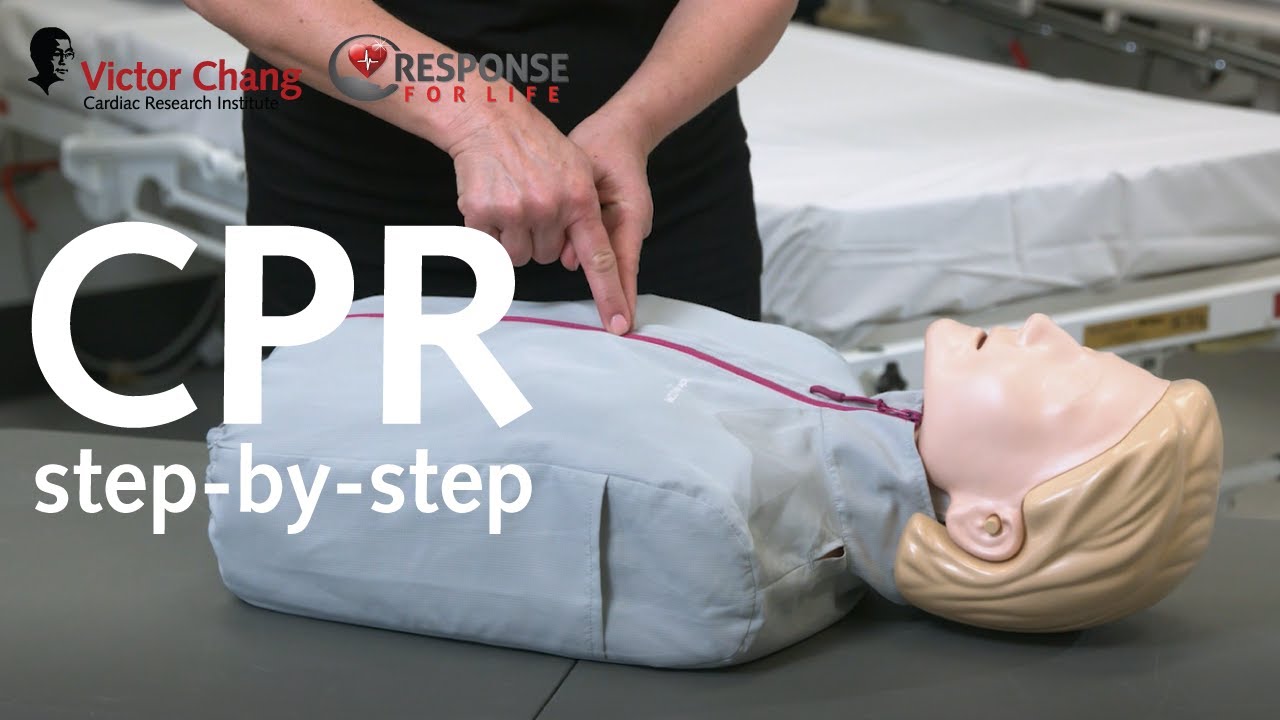
Fast cpr correspondence course and express first aid refresher training are developed for these renewals. They think you have actually already learned the material in depth at least once. Throughout refreshers, trainers can focus on:
Updates to standards, such training for CPR and first aid as changes in recommended compression deepness or sequence
Areas where real‑world incidents show people typically think twice, like beginning compressions on older people or making use of an AED in public Reconstructing muscular tissue memory so your hands go automatically to the appropriate position on the chestIf it has been years because you last went to any first aid training, or if you have actually never utilized the skills in technique, you may benefit a lot more from a full‑length course rather than an express refresher. A fast certification strategy functions best as maintenance, not initial learning.
A simple list for selecting a fast first aid or CPR course
This is the 2nd and final list.
- Confirm the level you require: CPR just, complete first aid and cpr, childcare first aid, or advanced/fap first aid. Check acknowledgment: is the service provider accepted by your employer, regulatory authority, or industry? Read the format: is it blended (online concept plus class) or only online? Is there sufficient hands‑on technique time? Match the speed to your experience: pick express first aid courses if you are certain and restoring, common courses if you are new or nervous. Look at revival options: will you have accessibility to future fast cpr courses or express first aid refresher alternatives to keep your certificate current?
Keep that checklist convenient when you contrast fast first aid courses side by side.
The trade‑off in between "short" and "as well short"
As someone who has viewed lots of classes from the front of the area, I have a clear sense of when a routine goes across from "efficient" right into "harmful". A fast first aid course can function extremely well when it presses still time, relies on strong pre‑course knowing, and maintains class sizes sensible so every participant has hands‑on practice.
It stops working when:
Class dimensions are so large that participants barely touch the manikins.
The timetable leaves no time at all for rep, inquiries, or consolidation. Instructors feel forced to hurry past circumstances to maintain to the clock. Learners use "fast" as a reason to skip the on the internet modules and expect a shortcut on assessment.First aid and CPR training are not just boxes to tick for compliance. When somebody falls down before you, there is no time to search for a video clip. The quality of your first aid course, fast or otherwise, straight influences how confident and crucial you will be in that moment.
If you are having a hard time to pick between a 3 hour express first aid course and a 5 hour variation that plainly consists of even more technique, ask yourself which one you would want your colleague to have actually taken if they were the individual beginning CPR on you.
Bringing it together
Fast first aid, express cpr courses, combined first aid training and childcare‑specific programs all exist to make life much easier without lowering capability. They let hectic individuals preserve skills, satisfy workplace requirements, and really feel prepared to act, despite having limited schedules.
The safest technique is to be calculated. Determine what degree of first aid and cpr course you require, pick a reputable company, and after that determine whether a fast or typical routine matches your understanding style. Use fast certification as a device, not a faster way. When you do that, a well‑designed express first aid course comes to be exactly what it ought to be: a concentrated, reliable course to real‑world readiness.